Farnam Polymer
Quality Our core value 💙
Farnam Polymer, manufacturer of various agricultural pipes
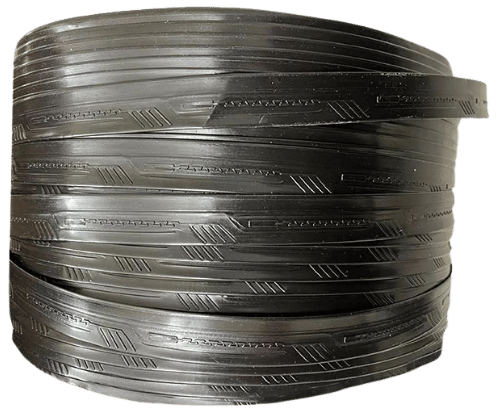
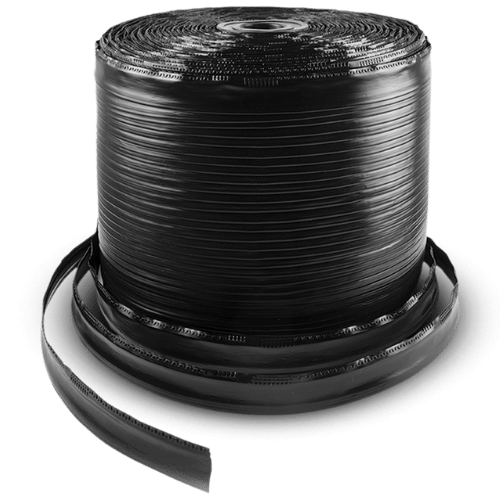
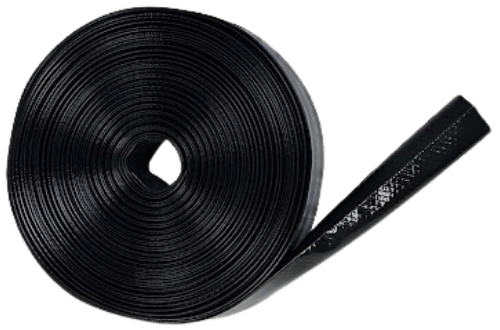
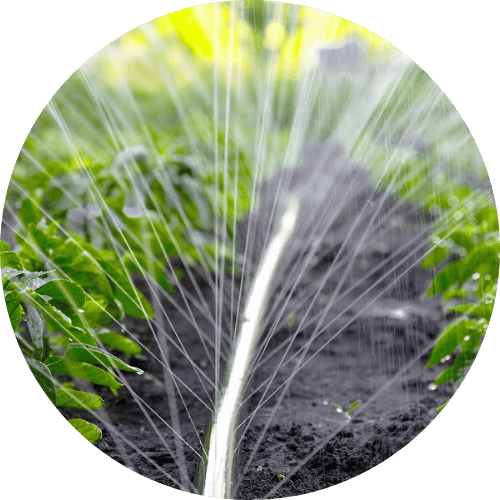
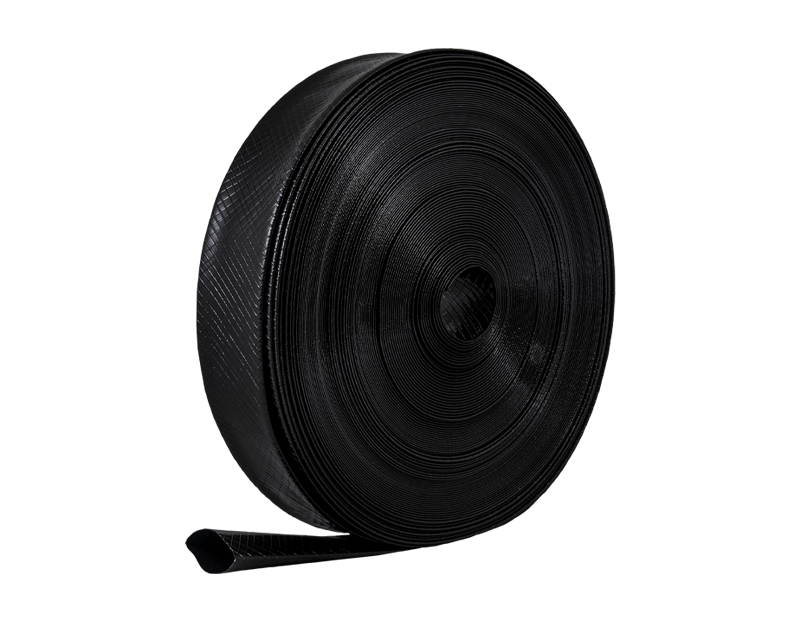
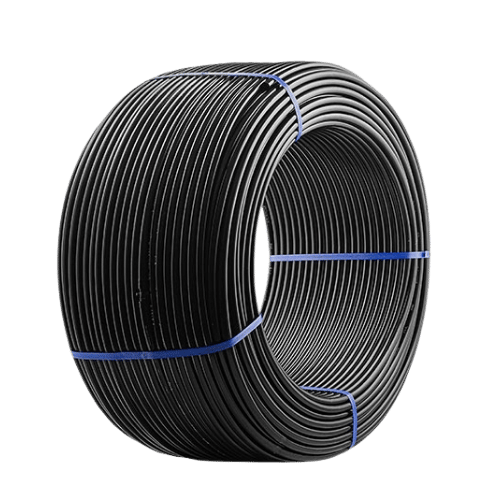
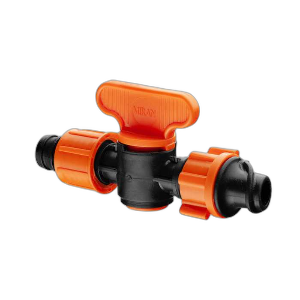
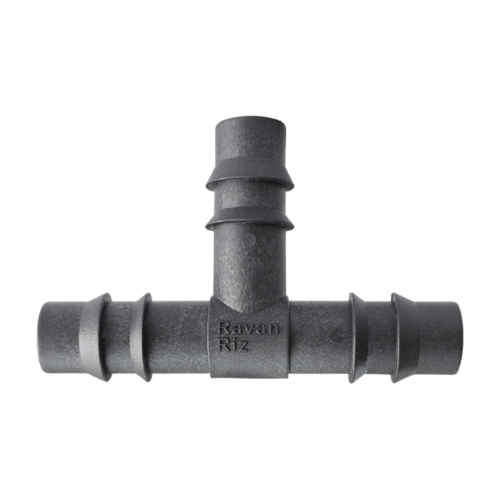
The only manufacturer of interlining tape in Isfahan
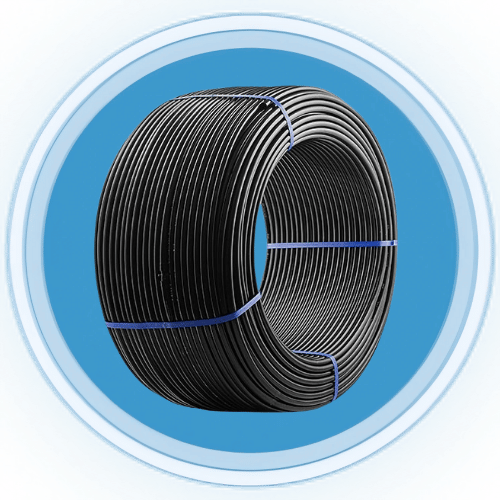
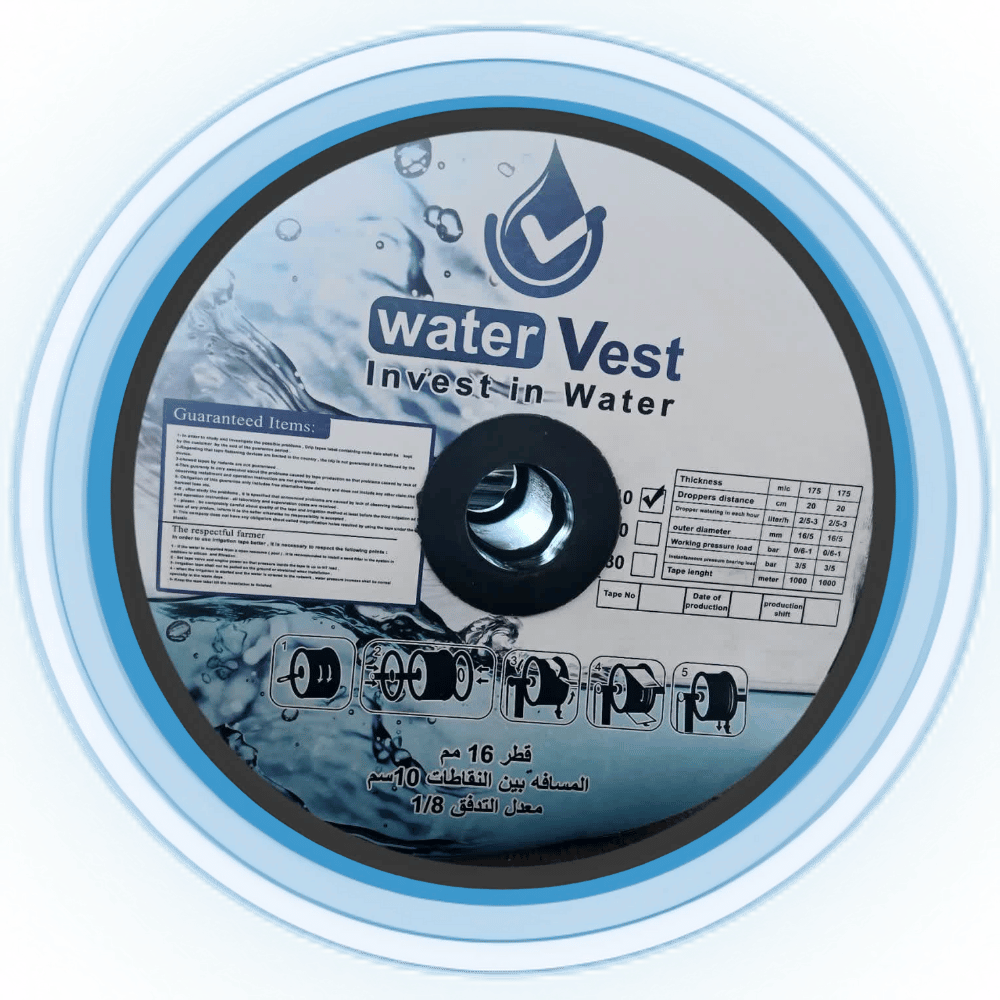
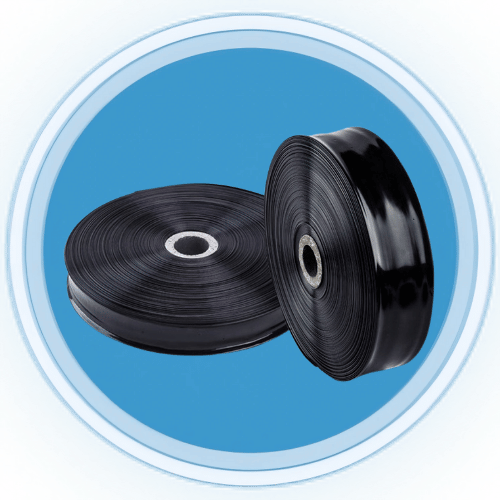
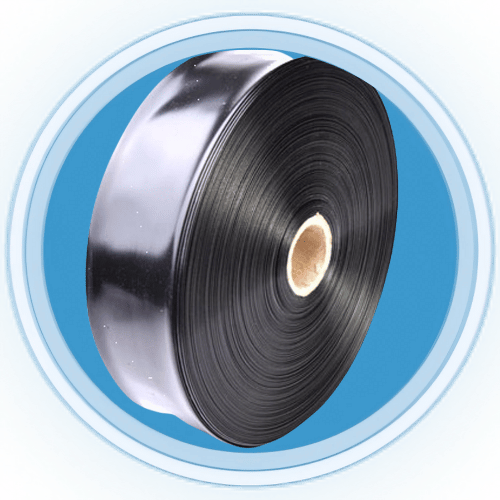
Farnam Polymer Kavir Industries Company, emphasizing two decades of knowledge and experience of its managers and employees in the field of manufacturing drip irrigation tape machines, and employing elite and innovative people as well as the most advanced technology in the world, is currently the only manufacturer of inter-stitch tapes in Isfahan province and the third largest producer in Iran.
Goal setting
Water is the main factor of life and its preservation is the duty of all of us. Sustainable social and environmental development, to which we are committed, depends on preserving the water resources of our beloved country. We hope that with the support of you, our dear customers, we can fulfill our duties and obligations in the best way. Today, the most important investment for the people of the world is investment in water.
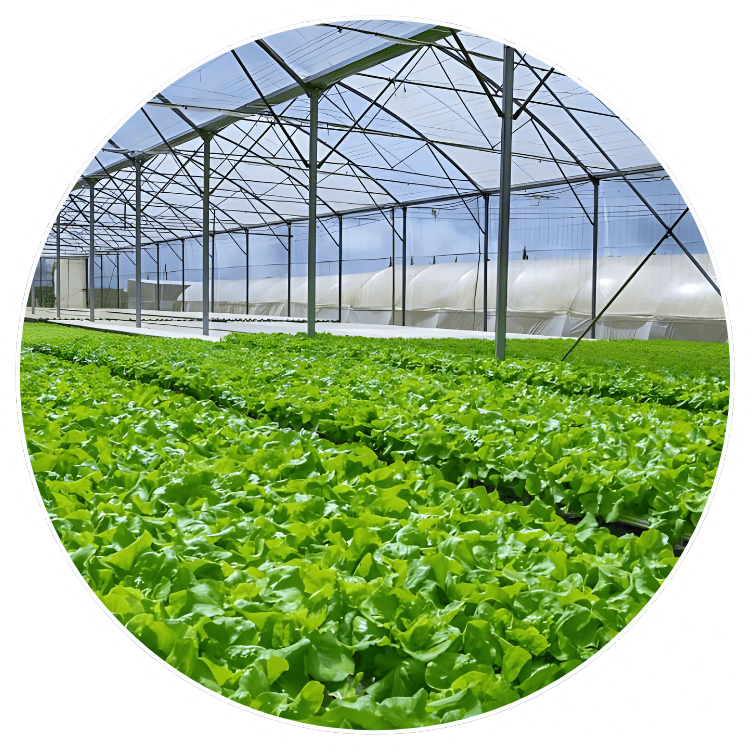
The only manufacturer of interlining tape in Isfahan
Farnam Polymer Kavir Industries Company, emphasizing two decades of knowledge and experience of its managers and employees in the field of manufacturing drip irrigation tape machines, and employing elite and innovative people as well as the most advanced technology in the world, is currently the only manufacturer of inter-stitch tapes in Isfahan province and the third largest producer in Iran.
Goal setting
Water is the main factor of life and its preservation is the duty of all of us. Sustainable social and environmental development, to which we are committed, depends on preserving the water resources of our beloved country. We hope that with the support of you, our dear customers, we can fulfill our duties and obligations in the best way. Today, the most important investment for the people of the world is investment in water.
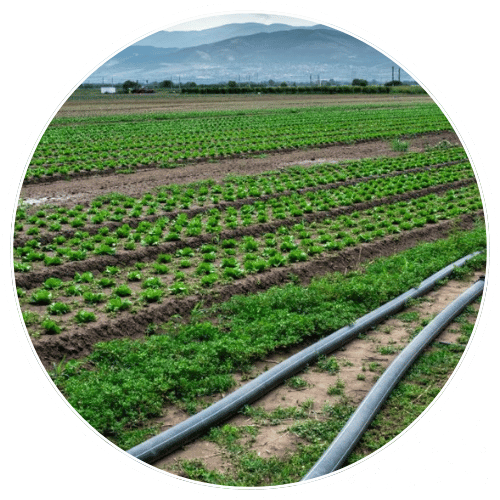
Farnam Polymer Desert Gallery
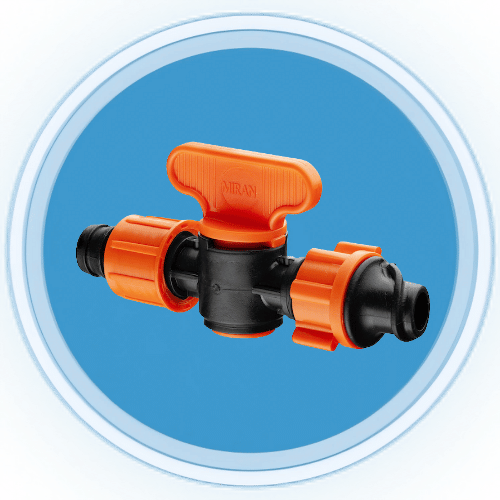
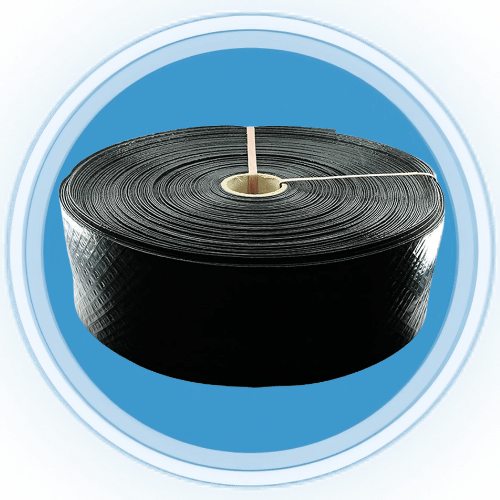
Farnam Polymer Articles
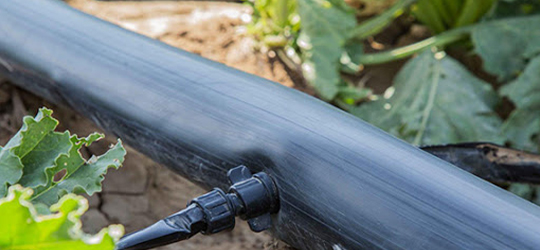
In the world of modern agriculture, choosing the right irrigation system has a direct impact on water productivity and crop quality. Threaded and collapsible irrigation pipes They are among the newest and most popular choices for drip and sprinkler irrigation, offering many advantages over traditional pipes.
1. What is threaded irrigation pipe?
Threaded pipe It is a type of irrigation pipe (usually made of polyethylene) that uses strong yarn fibers (thread) in its structure to reinforce the pipe wall.
These pipes have the following features:
- Light weight and high flexibility
- Extraordinary resistance to pressureThe internal thread weave prevents the pipe from deforming or tearing under high water pressure.
- Longer lifespan than regular polyethylene
- [Resistant to UV rays, corrosion, chemicals and rot
Main applications of threaded pipe:
- Drip and sprinkler irrigation systems
- Water transfer in gardens and farms
- Cases that require high water pressure and long durability
2. What is a collapsible irrigation pipe?
Folding tube Or Polyethylene flat pipeIt is a new generation of irrigation pipes that are highly flexible and can be folded and twisted.
The most prominent features of these pipes include the following:
- Very quick and easy installation
- Lightweight and easy to carryDue to its small volume during transportation
- High wall thickness (About 6 mm or more)
- Small packaging volume, saving on transportation and storage costs
- [High resistance to breakage, tearing and mechanical damage
Main applications of folding pipe:
- Irrigation of large and long fields
- Mobile water transfer between different parts of the farm
- Projects that require multiple pipe removal, installation, and assembly per year
4. How to install and use threaded and collapsible pipes
- Land infrastructure: The installation site must be flat and free of stones and sharp objects.
- Standard connections: Only use factory-approved fasteners and connectors to prevent leaks.
- Burial in soil or surface mountingBoth types of pipes can be installed on the surface or buried in the ground.
- Suitable for temporary and permanent irrigation
5. Maintenance tips
- Check the connections and pipe walls for leaks, tears, or blockages once a season.
- Drilling or cutting the pipe should only be done when necessary and with special tools.
- Internal washing and cleaning at the end of each growing season (to prevent water and algae deposits)
6. Threaded and collapsible pipe FAQs
1. Are these pipes suitable for greenhouse irrigation?
Absolutely, especially because of its high flexibility and the lack of need for permanent burial!
2. How is the resistance of threaded pipe to well water or salt water?
Very high; reinforced thread and polyethylene prevent corrosion and rot.
3. Is a collapsible or threaded tube better?
If you need quick installation and assembly, folding is better. But for high pressure and more stability, threaded is recommended.
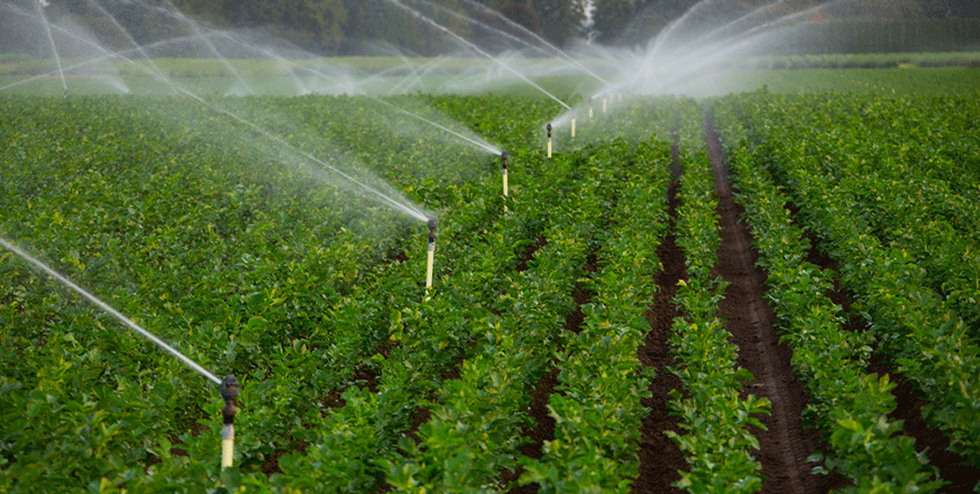
Sprinkler irrigation is a modern and effective method for evenly distributing water in agriculture. In this system, water is spread over the field through special pipes and sprinklers, similar to natural rain. The heart of this system, Sprinkler irrigation pipes They must be made of suitable and durable materials to ensure durability and optimal performance. In this article, we will explain the types of rain pipes, their benefits, uses, features, and installation and maintenance tips.
What is sprinkler irrigation?
Sprinkler irrigation is a method in which:
- Water enters a network of high-pressure pipes through a pump,
- Sprinklers are installed along the path of these pipes that spread water on the ground in the form of fine particles, similar to rain.
- Uniform water distribution and lower consumption are the biggest advantages of this system.
Types of sprinkler irrigation pipes
Sprinkler irrigation pipes are usually made of Polyethylene (PE) Or PVC They are produced and each has its own specific use.
1. Polyethylene pipe
- Resistant to pressure, corrosion and UV rays
- Flexible and lightweight, ideal for quick transport and deployment
- Long lifespan, low maintenance cost
- Available in the market in "folded", "perforated" and plain tubes.
Famous example, Perforated sprinkler pipe By creating regular holes in the pipe, it spreads water over the field surface in the form of mist or rain.
2. PVC and UPVC pipes
- Lighter than metal pipes and resistant to chemicals
- Suitable for pressurized water transfer and permanent systems
- Limited flexibility and working radius compared to polyethylenes
3. Metal pipes (usually galvanized)
- They were mostly used in the past and on traditional farms.
- High resistance but heavy weight and prone to rust
- Less commonly used today due to the advantages of polyethylene.
What is a perforated rain pipe?
One of the most common types of sprinkler irrigation pipes, Perforated pipe or misting pipe It is.
- Made of lightweight polyethylene
- On the surface of the pipe, there are holes of a specific diameter and arrangement.
- Causes water droplets to be distributed as fine, uniform particles throughout the entire length of the pipe.
- Main uses: Vegetable cultivation, lawns, small farms and greenhouses
Important points in installation and maintenance
- Before installation, the soil where the pipe is to be installed must be smooth and as free of stones and sharp objects as possible.
- Pipes should be stored in the shade or with a protective cover as much as possible to ensure longer durability.
- Sprinklers and pipe fittings must be installed carefully and according to standards to prevent leaks and pressure drops.
- It is recommended to wash and inspect the pipe holes once a season.
Tips for choosing the right pipe for sprinkler irrigation
- Area and type of cultivation: For large areas, it is better to use high-pressure pipes with a larger diameter.
- Climate and weather: In very hot areas, a type of polyethylene with higher UV resistance is recommended.
- Water quality: If your well water is salty or you use chemical fertilizers, HDPE polyethylene pipe is the best choice.
Frequently Asked Questions About Sprinkler Irrigation Pipe
1. Is perforated agricultural pipe also used in home gardens?
Yes, it is a great choice for gardens and green spaces because of its easy transportation and installation.
2. What is the lifespan of rain pipes?
If a reputable brand and UV-resistant type is used, 10 to 20 years.
3. What is the periodic service of rain pipes?
It is recommended to check for leaks, clean holes, and replace damaged parts every 6 to 12 months.
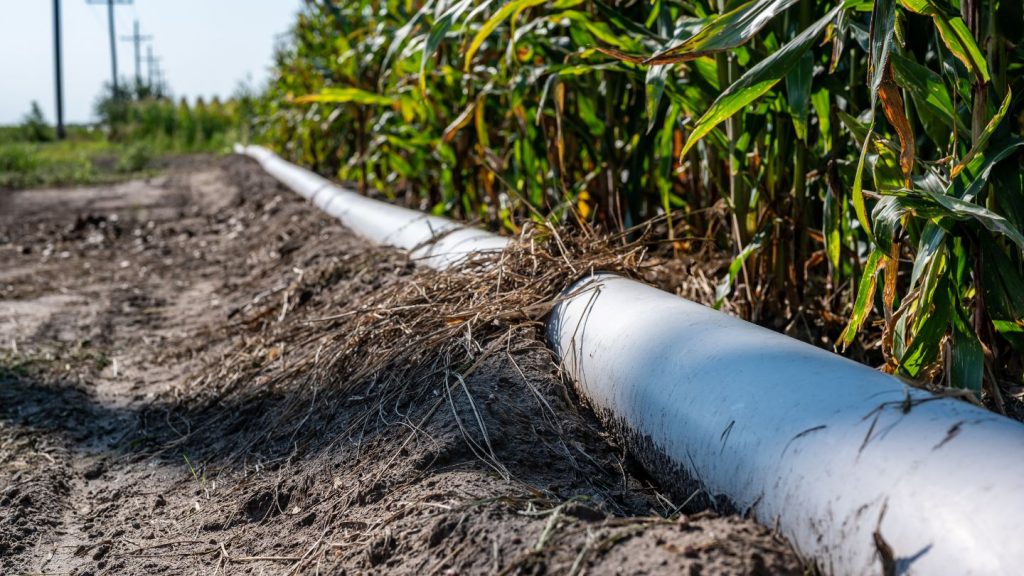
Agricultural irrigation pipes play a key role in the development and optimization of water use in the agricultural sector. Choosing the right type of pipe and installing it properly can significantly increase water efficiency and prevent waste of resources. This article covers the types of irrigation pipes, the advantages and disadvantages of each type, their uses, installation and maintenance tips, and key content SEO tips.
Types of irrigation pipes
The most common irrigation pipes are:
- Polyethylene pipe
- Most commonly used in modern irrigation systems (drip and sprinkler)
- Flexible, lightweight, and resistant to pressure and corrosion
- Easy installation and long service life (up to 50 years)
- PVC (polyvinyl chloride) pipe
- Excellent chemical resistance, lightweight and quick to connect
- Suitable for gravity irrigation and water transfer in large-area farms
- Galvanized pipe
- Metal material with stainless steel coating
- Suitable for areas with intense sunlight
- Heavier and more expensive than polymer models
- Cast iron pipe
- The oldest type, very resistant and durable.
- High cost and heavy weight, less used in new projects
- Polypropylene pipe
- Long life and good resistance to corrosion and sunlight
- Limited use, usually in specific systems
Important features when choosing an irrigation pipe
- [Resistance to pressure and corrosion: This resistance is especially important for areas with salt water or high levels of chemical fertilizers.
- Long service life and light weight: Reducing transportation costs and increasing the durability of the irrigation system.
- No harmful substances: To maintain the health of soil and crops
- Antibacterial and leak-free: Helping with irrigation efficiency and preventing water waste
Tips for installing and maintaining irrigation pipes
- Before installing the soil, the site must be completely flat and free of stones and sharp objects.
- Using standard and suitable fittings for each type of pipe
- Performing a pressure test after installation to ensure there are no leaks.
- Periodic inspection to identify possible damage and replace or repair defective parts
- Store and maintain pipes away from direct sunlight, especially polymer types.
Farnam Polymer ensures high durability and performance by using high-quality polymers in the production of its products. This choice of raw materials increases the resistance of the products to various environmental conditions.
All Farnam Polymer products are manufactured in accordance with national and international standards. This commitment to quality assures customers of the optimal performance and safety of the products.
Farnam Polymer is always with its customers by providing consulting services and technical support to achieve the best results in using its products. This approach brings long-term customer satisfaction and trust.
Farnam Polymer products are designed to minimize water and energy consumption by optimizing the irrigation process. This feature helps farmers to be more productive with their resources.
 English
  Persian
  Arabic